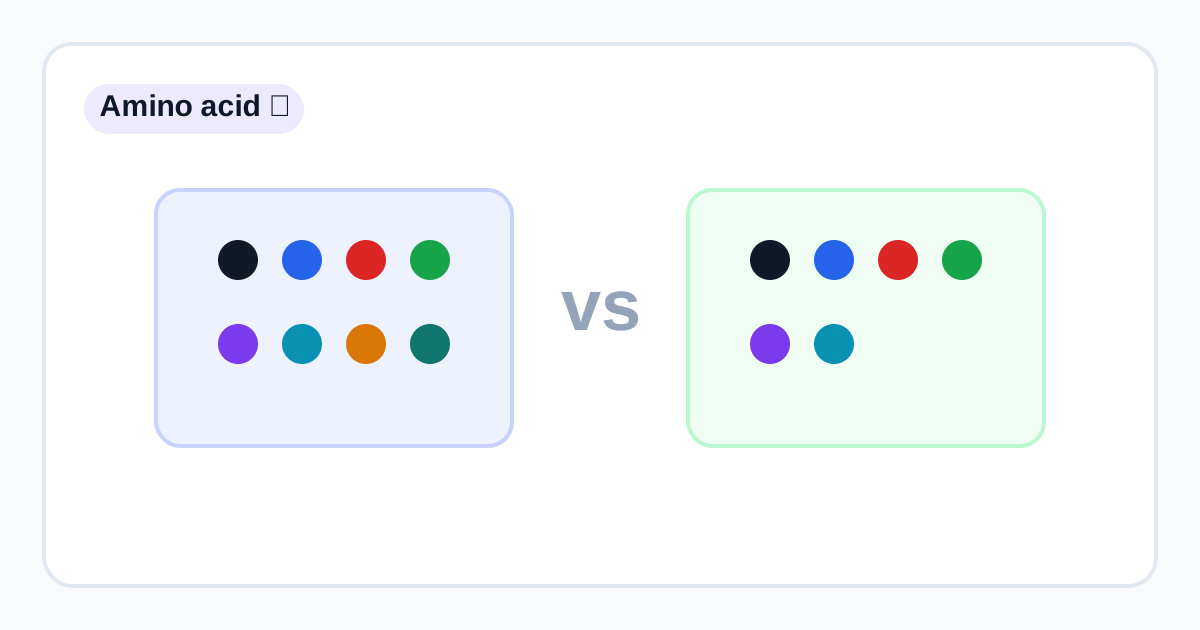
From a nutritional standpoint, amino acids are broadly classified into essential amino acids, nonessential amino acids, and conditionally essential amino acids. This classification is based not so much on the structure of the amino acid itself, but on whether the human body can synthesize the amino acid in sufficient amounts. MedlinePlus explains that amino acids are classified into three groups: essential, nonessential, and conditionally essential.
| Classification | Description |
|---|---|
| Essential amino acids | Cannot be synthesized in sufficient amounts in the body and must be obtained from the diet |
| Nonessential amino acids | Can be synthesized in the body (this does not mean they are unimportant) |
| Conditionally essential amino acids | Usually can be synthesized, but external intake becomes necessary in certain circumstances |
Essential Amino Acids
Essential amino acids are amino acids that cannot be synthesized in sufficient amounts in the body and must be obtained from the diet. There are 9 essential amino acids in humans. NCBI Bookshelf also explains that these 9 cannot be synthesized in human and other mammalian cells and must be supplied from an external diet.
- Histidine
- Isoleucine
- Leucine
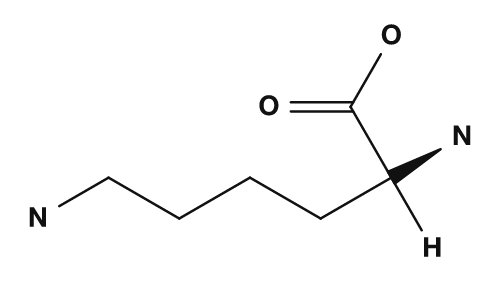
- Lysine
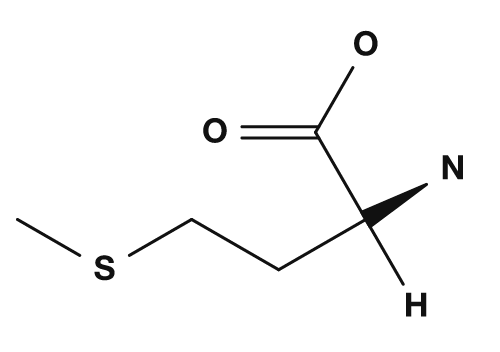
- Methionine
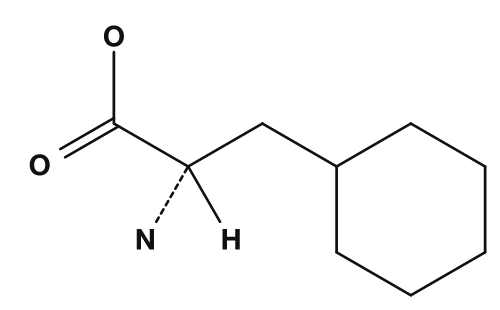
- Phenylalanine
- Threonine
- Tryptophan
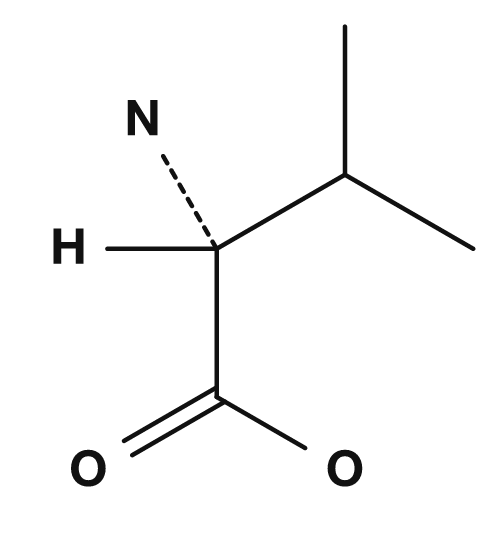
- Valine
| Valine | Lysine | Methionine | Phenylalanine |
|---|---|---|---|
|
|
|
|
Nonessential Amino Acids
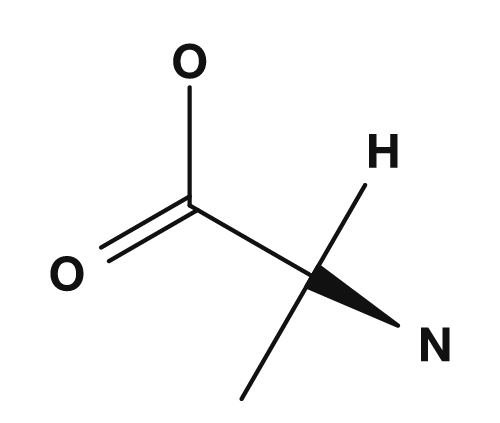
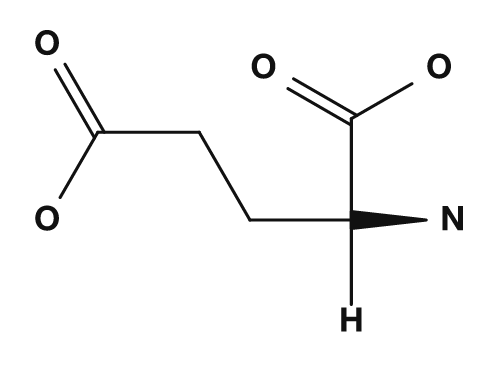
Nonessential amino acids are amino acids that the body can synthesize. The name "nonessential" might make them sound unimportant, but this is a misunderstanding. Nonessential amino acids are also important amino acids needed for protein synthesis and metabolism. The name simply means that, in a healthy state, they do not necessarily need to be obtained from the diet because the body can synthesize them. MedlinePlus also explains that nonessential amino acids are amino acids that the body can produce even without dietary intake.
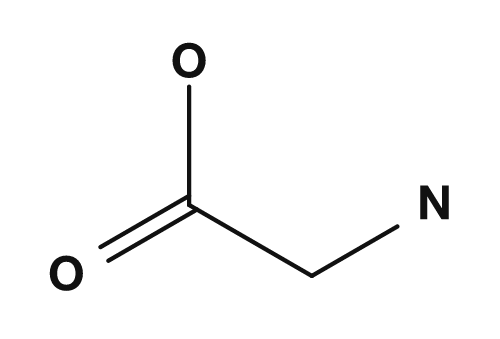
| Glycine | Alanine | Glutamic acid |
|---|---|---|
|
|
|
Conditionally Essential Amino Acids
Conditionally essential amino acids are amino acids that can usually be synthesized in the body, but for which the demand may increase under certain circumstances such that endogenous synthesis is no longer sufficient. MedlinePlus explains that conditionally essential amino acids are not normally essential but become necessary during illness or stress.
- Periods of growth, pregnancy, and lactation
- Illness, stress, and trauma
From the Standpoint of Structural Formulas
From the standpoint of structural formulas, whether an amino acid is essential or nonessential is not determined simply by the nature of its side chain. For example, leucine, isoleucine, and valine are hydrophobic amino acids with branched chains and are essential amino acids. On the other hand, alanine and glycine are also relatively simple nonpolar amino acids, yet they are nonessential.
Whether an amino acid is essential is determined mainly by whether the body's metabolic pathways can synthesize it. It is important to note that there is no simple correspondence such as "complex structures are essential" or "simple ones are nonessential."
Diet and Protein Quality
A key reason to understand essential amino acids is when considering the quality of protein. Dietary protein is broken down by digestion into amino acids, which are used in the body to synthesize the proteins it needs. MedlinePlus explains that dietary protein is broken down into amino acids and the body uses them for tasks such as repairing tissue and growth.
Furthermore, essential amino acids do not mean "all of them must be perfectly consumed at every meal." MedlinePlus explains that essential and nonessential amino acids do not need to be obtained at every meal, and that balance over the whole day is what matters.
For chemistry studies, it deepens understanding to consider essential amino acids not merely as nutritional terms, but together with their structural formulas and side chain features. Among the essential amino acids, some have hydrophobic side chains, some have aromatic side chains, some are sulfur-containing, and some have basic side chains. In other words, essential amino acids are also structurally diverse.
Summary
Essential amino acids cannot be synthesized in sufficient amounts in the body and must be obtained from the diet. Nonessential amino acids can be synthesized in the body, but this does not mean they are unimportant. Conditionally essential amino acids are amino acids whose demand increases under certain circumstances. From the standpoint of structural formulas, essentiality is not determined by the side chain alone but is related to metabolic pathways in the body.